Acupuncture & Acupressure Explained
March 10, 2026
Acupuncture and acupressure are two closely related healing practices rooted in Traditional Chinese Medicine (TCM) — a system of care developed over thousands of years that views the body as an interconnected network of energy, organ systems, and physiological processes. Both practices are built on the same foundational principle: that life energy, known as qi (pronounced "chee"), flows through the body along specific pathways called meridians, and that disruptions to this flow are at the root of physical discomfort, emotional imbalance, and illness.
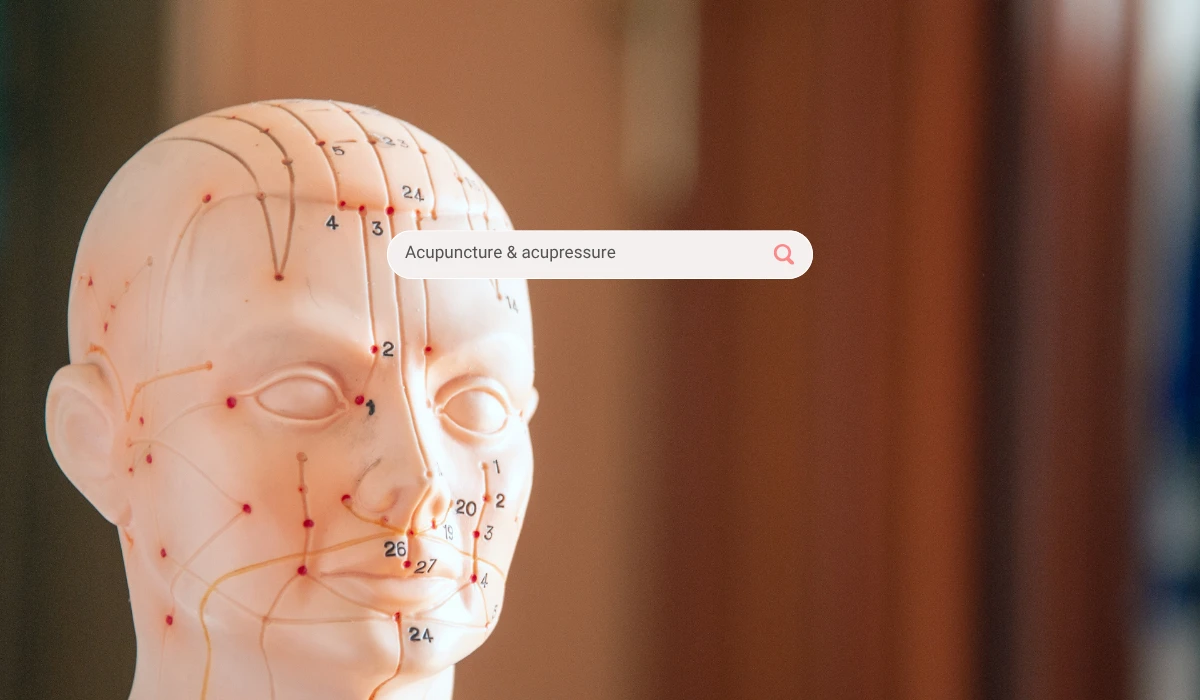
Where they differ is in method. Acupuncture uses fine, sterile needles inserted at precise points along the meridians to stimulate and restore the body's natural flow. Acupressure applies targeted manual pressure — using fingers, thumbs, or tools — to those same points, without needles. Both approaches share the same map of the body and the same therapeutic intent, making them complementary paths to the same destination.
In TCM, the body contains over 350 acupuncture points distributed across 12 primary meridians, each connected to a specific organ system such as the liver, lungs, or kidneys. When qi becomes stagnant, blocked, or deficient in a given meridian, symptoms arise — whether physical pain, digestive issues, fatigue, anxiety, or hormonal imbalance.
By stimulating specific points, both acupuncture and acupressure aim to unblock stagnation, redirect energy where it is deficient, and encourage the body's innate capacity to heal and regulate itself.
From a biomedical perspective, research suggests that acupuncture stimulation triggers the release of endorphins and other neurochemicals, influences the autonomic nervous system, and promotes local circulation and tissue repair. While Western science continues to investigate the mechanisms, the clinical evidence base — particularly for pain management and stress reduction — has grown steadily in recent decades.
A typical acupuncture session begins with a detailed intake consultation. The practitioner will ask about your primary concerns, but also about digestion, sleep, emotional patterns, menstrual health, and energy levels — areas that help build a complete picture of your constitution and current imbalance.
Based on this assessment, ultra-fine needles are placed at carefully selected points and left in position — usually for 20 to 45 minutes — while you rest. Most people describe the sensation as minimal: a brief dull ache, warmth, or tingling at the insertion point, followed by a deep sense of calm and relaxation. Sessions are generally once or twice a week, tapering as symptoms improve.
Acupressure follows the same diagnostic logic but is entirely hands-on. A practitioner may incorporate it into a bodywork session, or teach you specific self-care points to use at home. It is particularly well-suited for those who prefer to avoid needles, children, or situations where needles are not appropriate.
Self-administered acupressure — for example, pressing the Pericardium 6 point on the inner wrist for nausea, or the Large Intestine 4 point between the thumb and index finger for headaches — has become a widely used wellness tool in its own right.
Acupuncture and acupressure are used across a wide spectrum of physical and emotional concerns. Common applications include chronic pain such as back pain, neck tension, and arthritis; headaches and migraines; digestive issues including bloating and irritable bowel syndrome; anxiety and stress; insomnia; hormonal imbalances and menstrual irregularities; fertility support; fatigue and burnout; and post-operative or chemotherapy-related nausea.
Many people also turn to these practices as part of a preventive wellness routine — not because something is wrong, but because regular sessions support overall resilience, vitality, and emotional equilibrium.
When performed by a trained and licensed practitioner, acupuncture is considered safe. Needles used are always single-use, sterile, and disposable. Side effects are generally mild — occasional light bruising, minor soreness at needle sites, or a brief feeling of tiredness following a session as the body adjusts.
Acupressure carries an even lower risk profile, given the absence of needles, making it widely accessible for most people.
There are some situations that warrant caution: acupuncture is typically avoided over areas with active infection, certain points are contraindicated during pregnancy, and people on blood thinners should inform their practitioner. As with all complementary therapies, it is best used alongside — not as a substitute for — conventional medical care when needed.
The right choice depends on your individual needs, preferences, and circumstances. Acupuncture tends to produce a stronger and more targeted therapeutic effect, making it the preferred option for more acute or complex conditions. Acupressure is gentler, more accessible, needle-free, and can be learned as an ongoing self-care skill.
Many practitioners trained in TCM offer both, tailoring their approach to what is most appropriate for each person and each session. It is also common to begin with acupuncture for a course of treatment and integrate acupressure as a home-care complement between appointments.
Because both practices require a detailed understanding of TCM theory, meridian anatomy, and point location, the quality of your experience will depend significantly on the training and approach of the practitioner you work with. Credentials vary by country and region, so it is worth looking for practitioners with recognised qualifications in Traditional Chinese Medicine or acupuncture — and reading real experiences from people who have worked with them.
This is where Soul Sister makes the process easier. On the platform, you can browse acupuncture and acupressure practitioners, explore their areas of specialisation, and read verified reviews from people who've experienced their work firsthand. Whether you're addressing a specific health concern or simply looking to invest in your long-term wellbeing, Soul Sister helps you find a practitioner whose approach genuinely fits your needs — with the transparency and trust that guesswork can't offer.
Acupuncture and acupressure aren't trends — they are time-tested systems of care that have supported human health for millennia. In the right hands, they can be a profoundly effective part of your wellness journey.
©2026 Soul Sister. All Rights Reserved. Web Design & Development by The Web Addicts.
We use cookies