
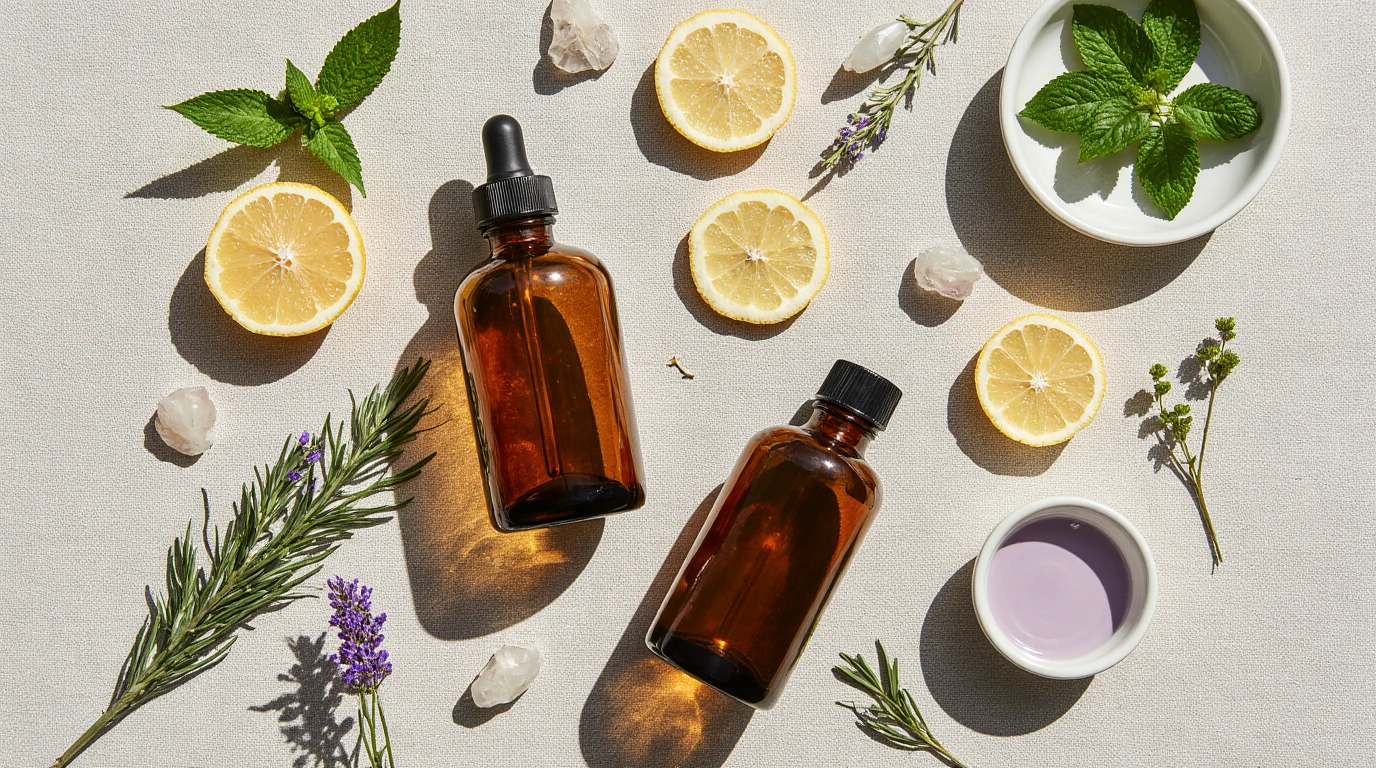
Aromatherapy: When Scent Becomes a Soul Language
July 14, 2025
There’s something ancient, quiet, and powerful about the way a scent can shift the entire atmosphere — not just around you, but within you.
Aromatherapy isn’t just about smelling something “nice.” It’s the intentional use of essential oils — extracted from plants, flowers, roots, and resins — to support emotional balance, physical healing, and spiritual connection.
It’s plant medicine, yes. But it’s also alchemy.
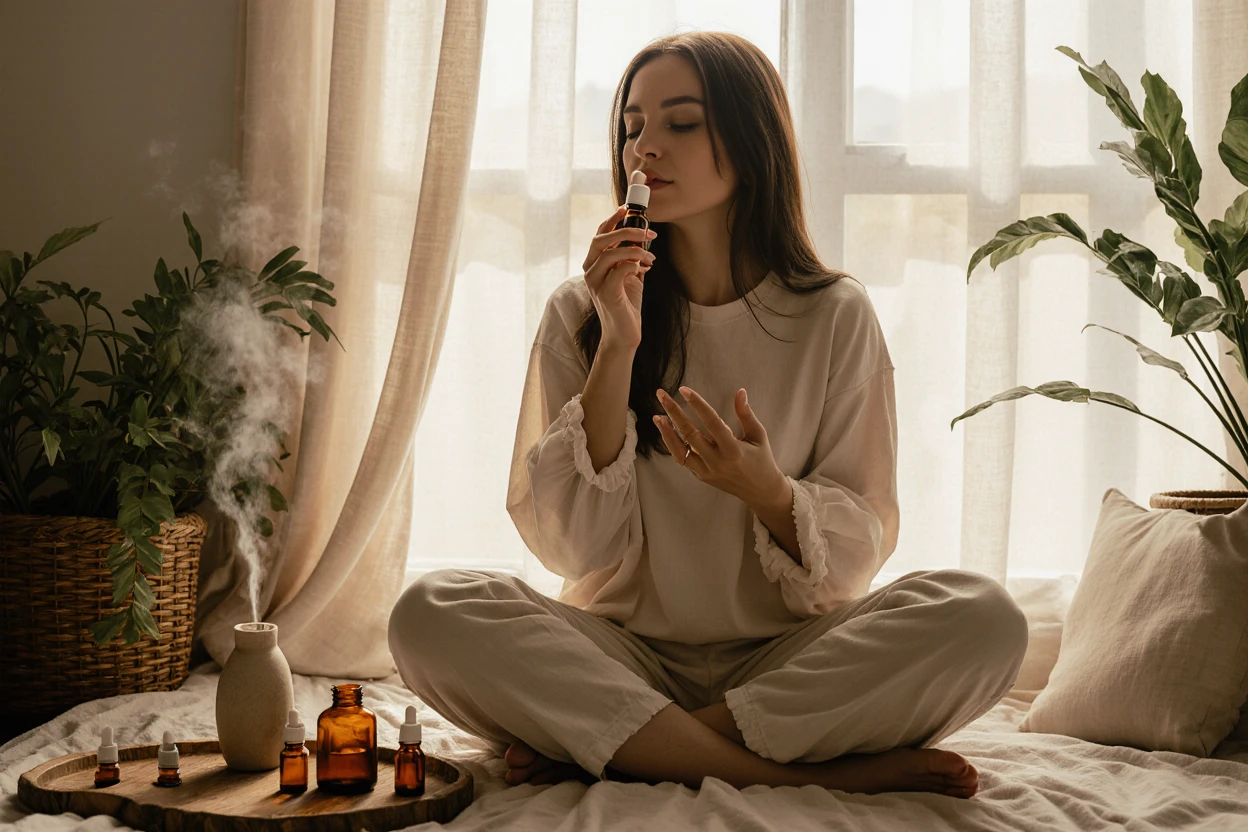
Aromatherapy works through two main pathways: the skin and the breath. When inhaled, essential oils send signals straight to the limbic system — the part of the brain tied to emotion, memory, and mood. This is why one scent can unlock tears, comfort, clarity, or calm in a matter of seconds.
Through massage, baths, diffusers, or simple rituals like dabbing oil on your pulse points, aromatherapy becomes a portal — not just to wellness, but to remembrance.
- To Reduce Anxiety & Stress: Lavender, bergamot, clary sage, and frankincense are among the favorites for calming nervous systems in a fast-moving world.
- For Better Sleep: Oils like vetiver and Roman chamomile can signal the body it’s time to rest.
- For Energy & Focus: Peppermint, rosemary, and citrus oils help lift fog and spark mental clarity.
- For Ritual & Presence: Many use oils as part of meditation, breathwork, or intention-setting — helping ground the mind and open the heart.
In many traditions, plants have always been seen as sentient allies. Aromatherapy brings that relationship into the modern world. You’re not just using oils; you’re entering into dialogue with nature.
Certain oils are even known for their energetic properties:
- Sandalwood for spiritual clarity and connection
- Frankincense for cleansing and deeper prayer
- Rose for heart healing and self-love
- Patchouli for grounding and embodiment
Try anointing your third eye or heart space with a drop before your next meditation. Notice what shifts.
Essential oils are potent — that’s their gift and their caution. Always dilute before applying to skin, do a patch test, and never ingest an oil unless it’s clearly labeled safe and advised by a professional. Aromatherapy is powerful, but like any healing tool, it asks for respect.
You don’t need an elaborate setup. Even one mindful inhale from a small vial of lavender oil at your desk can bring you back to yourself.
Diffuse your favorite blend while journaling. Add a few drops to your bath. Create a personal “anchor” blend for when you’re traveling or anxious. The point isn’t to overwhelm the senses — it’s to create spaces of presence.
At its heart, aromatherapy is a practice of remembering: remembering your breath, your body, your roots, your needs. It’s subtle, yet incredibly intimate. One inhale can bring you home.
©2026 Soul Sister. All Rights Reserved. Web Design & Development by The Web Addicts.
We use cookies