Cupping (Hijama) Explained
December 30, 2025
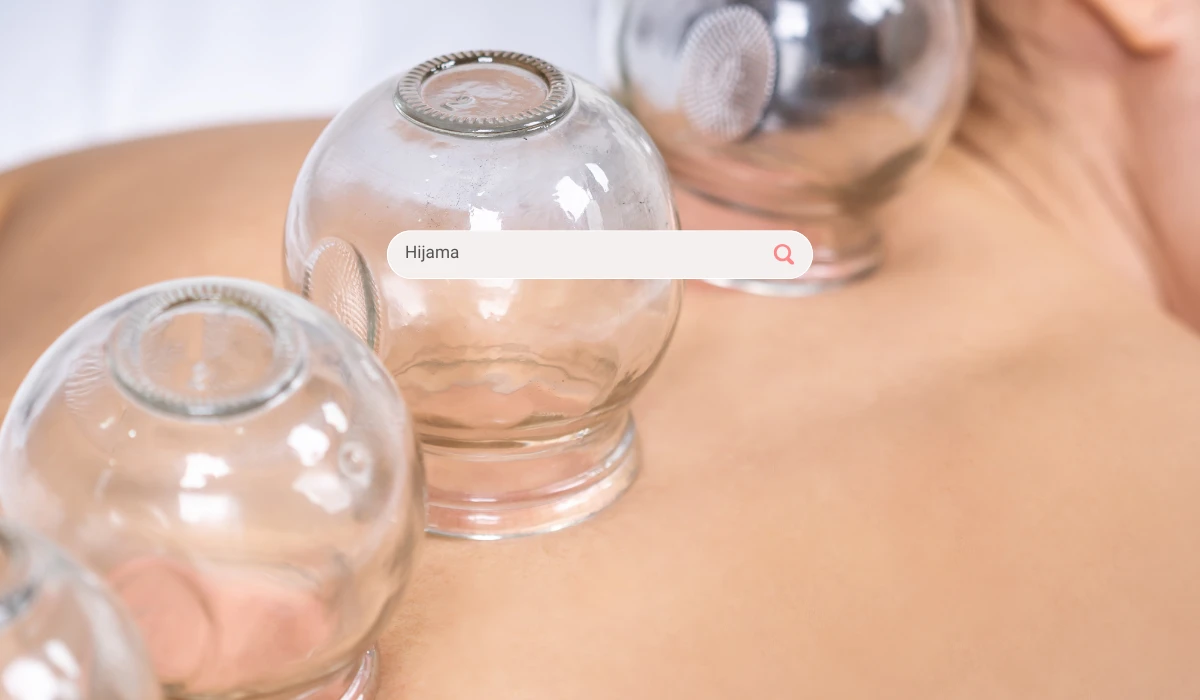
Cupping, also known as Hijama, is a traditional therapeutic practice that involves placing cups on the skin to create suction. This suction draws the skin and underlying tissue upward and is used to support circulation, muscular release, and overall physical well-being.
The practice has been used for centuries across many cultures, including Middle Eastern, Chinese, and traditional medicine systems. Today, cupping is commonly used in wellness, sports recovery, and complementary health settings.
Unlike massage, which applies pressure inward, cupping works by lifting tissue outward. This change in pressure can help release muscle tension, increase local blood flow, and create a sense of openness in the affected area.
There are different forms of cupping. Some sessions use dry suction only, while Hijama traditionally includes wet cupping, where small superficial incisions are made to draw out a small amount of blood. The approach depends on cultural tradition, practitioner training, and individual preference.
From a physiological perspective, cupping increases circulation to the targeted areas and may help loosen tight fascia and muscles. The suction can stimulate the body’s natural healing responses and support recovery after physical strain.
People often experience temporary circular marks where the cups were placed. These marks are not bruises but signs of localized blood flow changes and usually fade within a few days.
As with many traditional practices, experiences vary, and cupping is best understood as a supportive therapy rather than a standalone medical treatment.
While the terms are sometimes used interchangeably, Hijama specifically refers to wet cupping and is traditionally practiced at certain points on the body and, in some cultures, at specific times.
Dry cupping is more commonly used in modern wellness and sports contexts, while Hijama often carries cultural, spiritual, or preventative health significance for those who practice it traditionally.
Cupping is often chosen by people who:
It is commonly integrated into massage therapy, physiotherapy, and holistic wellness routines.
Cupping is sometimes misunderstood as painful or harmful. While suction can feel intense, it is generally well-tolerated when performed by a trained practitioner.
Another misconception is that cupping “removes toxins.” While the practice influences circulation and tissue response, its benefits are better understood through physiological and mechanical effects rather than detox claims.
If you’re interested in exploring cupping or Hijama, Soul Sister helps you find trained practitioners offering this modality.
On the Soul Sister platform, you can:
Rather than navigating this traditional practice on your own, Soul Sister allows you to explore cupping or Hijama by whom it’s practiced, where sessions are available, and how others have experienced it, all in one trusted space.
©2026 Soul Sister. All Rights Reserved. Web Design & Development by The Web Addicts.
We use cookies