
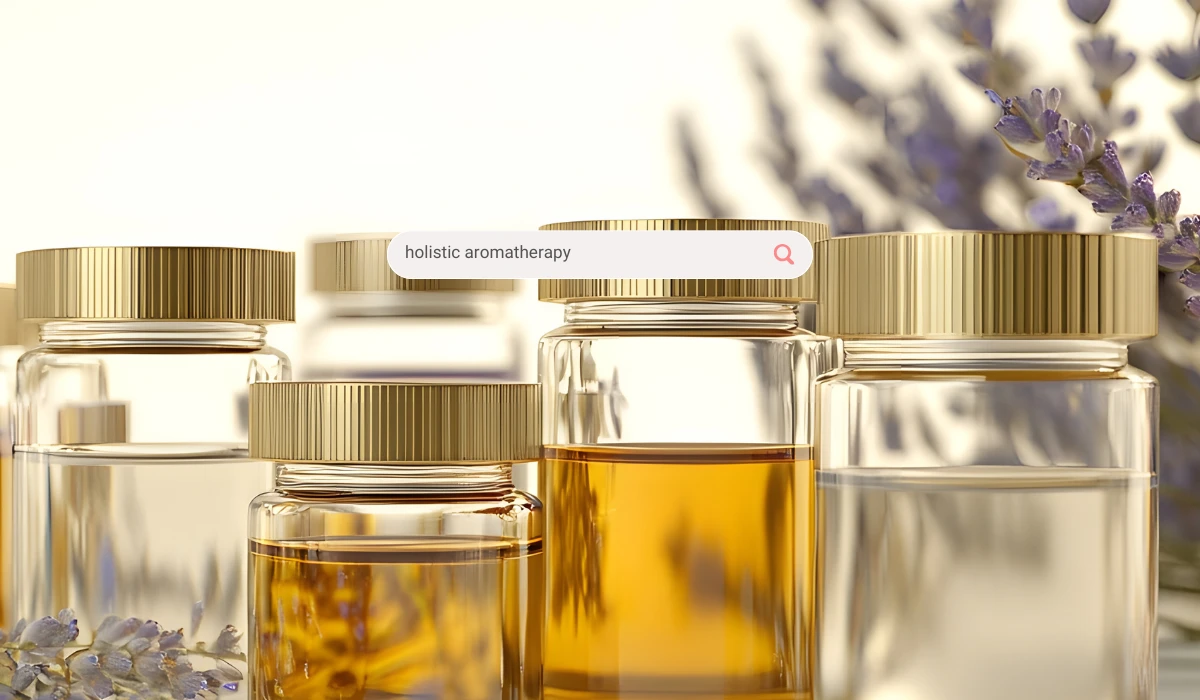
Holistic Aromatherapy Explained
January 27, 2026
Holistic aromatherapy is a natural healing approach that uses plant-based essential oils to support the body, mind, and emotional well-being as one interconnected system. Rather than targeting a single symptom in isolation, holistic aromatherapy looks at the whole person — physical health, emotional state, stress levels, and lifestyle — and works gently to restore balance.
Essential oils are extracted from flowers, leaves, roots, bark, and resins of plants. Each oil carries a unique chemical profile that can influence the nervous system, hormones, mood, and even immune response when used correctly. In holistic aromatherapy, these oils are chosen not only for their physical properties but also for how they support emotional and energetic harmony.
A holistic aromatherapy session is usually personalized. A practitioner will often begin by asking about physical concerns, emotional patterns, stress levels, sleep, and daily habits. Based on this broader picture, specific essential oils or blends are selected.
These oils may be used in different ways: inhalation, diffusion, topical application (always diluted in a carrier oil), massage, or as part of self-care rituals like baths or compresses. The focus isn’t quick fixes, but gentle, consistent support that helps the body return to its natural equilibrium.
One of the defining aspects of holistic aromatherapy is its emphasis on the mind–body connection. When essential oils are inhaled, their aromatic molecules interact directly with the limbic system — the part of the brain involved in emotions, memory, and stress responses.
This is why certain scents can instantly calm the nervous system, lift mood, or bring back memories. Holistic aromatherapy intentionally works with this pathway, supporting emotional release, relaxation, focus, and resilience alongside physical well-being.
Holistic aromatherapy is commonly used to support stress and anxiety, improve sleep quality, ease emotional tension, boost energy levels, and complement other wellness practices. Some people turn to it during periods of burnout or emotional overload, while others use it as part of an ongoing self-care routine.
It’s also frequently integrated with massage therapy, meditation, yoga, and other holistic modalities, enhancing their effects rather than replacing conventional care.
When practiced responsibly, holistic aromatherapy is considered gentle and supportive. However, essential oils are highly concentrated and must be used with care. Proper dilution, quality sourcing, and guidance from a trained practitioner are important, especially for children, pregnant individuals, or people with medical conditions.
Holistic aromatherapy is best seen as a complementary practice — one that works alongside, not instead of, medical treatment when needed.
Because holistic aromatherapy is highly individualized, the experience can vary depending on the practitioner’s training, approach, and philosophy. Some focus more on emotional support, others on physical relief, and many blend both.
This is where having access to trusted information becomes essential.
On Soul Sister, you can explore holistic aromatherapy practitioners, studios, and wellness spaces, read real reviews from people who’ve experienced their work, and find details about where sessions are offered, how they’re practiced, and what to expect. Instead of guessing or relying on social media claims, you can make informed choices and find an experience that truly aligns with your needs.
Holistic aromatherapy isn’t about masking symptoms — it’s about listening to the body, supporting balance, and reconnecting with the natural intelligence of plants and scent.
©2026 Soul Sister. All Rights Reserved. Web Design & Development by The Web Addicts.
We use cookies