November 16, 2026
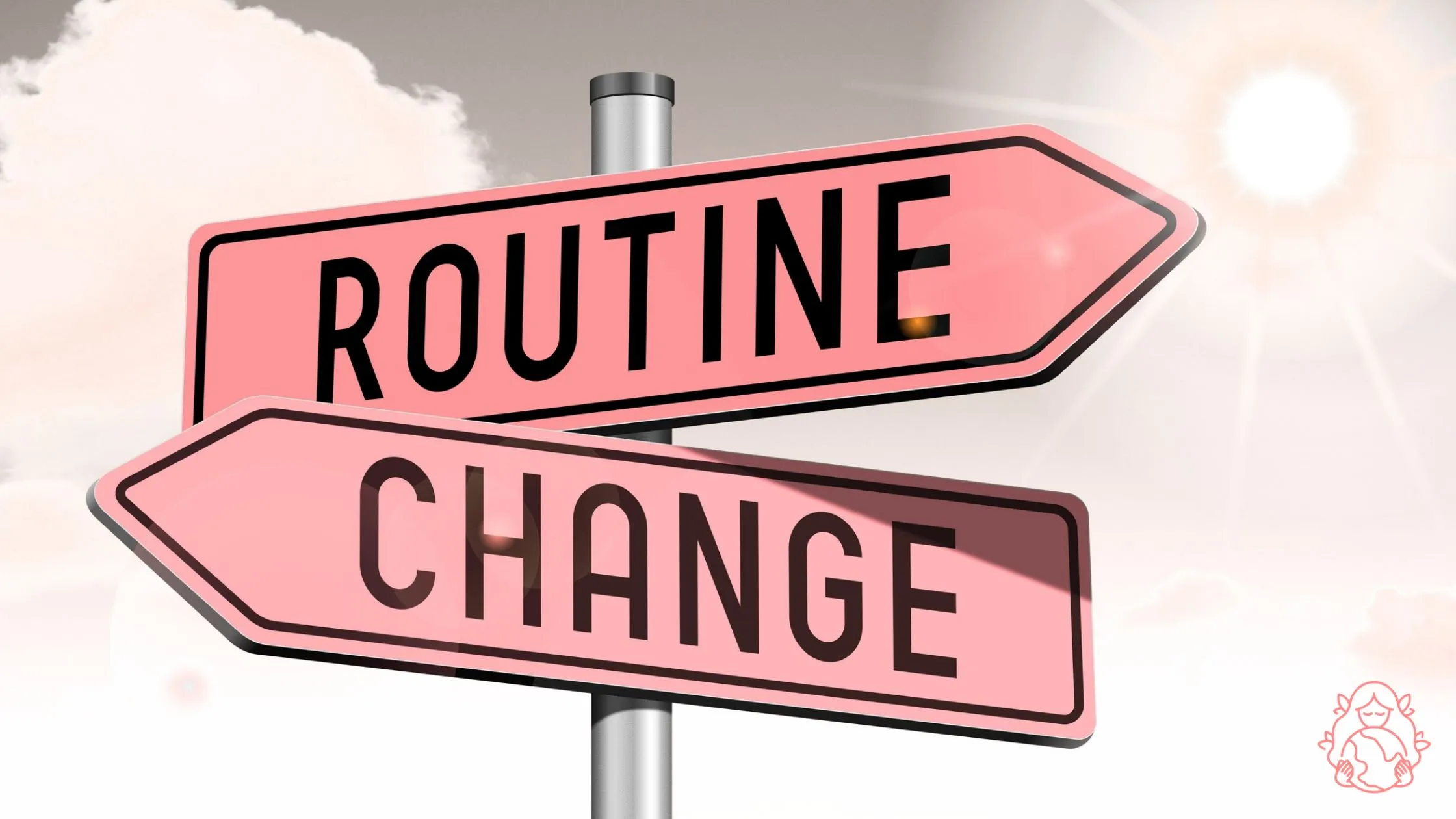
A consistent wellness routine isn’t a rigid timetable of gym sessions, green juices, and five a.m. alarms. It’s a set of practices — physical, emotional, and spiritual — that you return to regularly enough that they become part of how you live, not an extra task competing for your energy. Consistency matters more than intensity. A fifteen-minute breathing practice done daily will do more for your nervous system than an occasional two-hour yoga class you can never quite fit in.
In Lebanon, building that kind of consistency comes with its own particular rhythm. Between unpredictable electricity schedules, traffic that can turn a ten-minute errand into an hour, and a culture built around long, late, and often spontaneous social gatherings, the usual “just wake up early and meditate” advice frequently falls apart in practice. A wellness routine that lasts here has to be built around Lebanese daily life, not against it.
Most wellness content assumes a level of infrastructure and predictability that doesn’t always hold here. A routine built around a 6 a.m. outdoor run can be derailed by a power cut that stops the elevator, a last-minute diesel generator switch-on, or weather that shifts suddenly in the mountains. Evening rituals can be interrupted by family visits that arrive without warning — which, in Lebanese culture, is not an inconvenience but a norm to be welcomed, not resisted.
This mismatch is often why people abandon wellness routines within a few weeks: not because they lack discipline, but because the routine was never designed with flexibility in mind. The fix isn’t trying harder. It’s designing a routine with enough give in it to survive a Tuesday that goes nothing like planned.
The most sustainable wellness routines in Lebanon are built in layers, not fixed slots. Instead of committing to “yoga at 7 a.m.,” it helps to commit to “movement sometime before midday,” so that a delayed morning doesn’t mean an abandoned practice. Instead of a single long gym session, many people find it easier to break movement into smaller pockets throughout the day — a walk along the Corniche, stretching while waiting for the kettle, a short home workout squeezed between errands.
The same logic applies to spiritual or emotional practices. A ten-minute breathwork or meditation session is far easier to protect from interruption than a sixty-minute one, and it can be repeated at different points in the day depending on what unfolds. Anchoring routines to something that happens regardless of circumstance — your first coffee, the call to prayer if that’s part of your day, the drive home — tends to work better than anchoring them to a specific clock time.
Wellness in Lebanon rarely happens in isolation, and trying to force a solitary, individualistic routine onto a culture built around connection often backfires. Many of the most consistent wellness habits here are social by design: a weekly hike with friends in the mountains, a recurring Pilates class with the same group, Sunday lunch rituals that double as emotional recovery time after a demanding week.
Building routine around relationships rather than solitude tends to increase adherence, because social accountability does some of the discipline’s work for you. If a friend is expecting you at a 6 p.m. class, you’re more likely to show up than if the only person holding you accountable is yourself on a tired evening. This communal dimension also extends to spiritual and energy-based practices — many people experience breathwork, sound healing, or reiki circles in group settings that double as both wellness practice and social ritual.
Lebanon’s dramatic seasonal shifts — hot, dry summers; cold, sometimes snowy winters in the mountains; mild but unpredictable spring and autumn weather — mean that a routine designed in July rarely survives unchanged into January. Outdoor practices that feel natural along the coast in summer, like early morning walks or sea swims, often need an indoor equivalent for winter months, such as home yoga, indoor swimming, or sauna sessions.
Rather than treating this as a disruption, it helps to build seasonality into the routine from the start: a summer version and a winter version of the same practice, so that the transition between them is expected rather than treated as a routine breaking down. This is particularly relevant for practices tied to natural light and circadian rhythm, such as morning sunlight exposure, which shifts significantly between a Beirut summer sunrise and a winter one.
Electricity and internet reliability remain genuine obstacles for routines that depend on apps, streamed classes, or consistent lighting. Traffic and commute unpredictability make fixed-time commitments risky, especially around rush hour or during periods of political or economic disruption. Financial pressure also plays a real role — many wellness practices, from therapy to specialised classes, carry a cost that isn’t always sustainable month to month, which is why free or low-cost practices like walking, home breathwork, journaling, or community-based activities tend to form the backbone of a lasting routine, with paid sessions layered in when possible rather than relied upon entirely.
Emotional fatigue is another significant barrier that’s often underacknowledged. Collective stress — economic uncertainty, political tension, grief that is sometimes shared at a national scale — can make wellness routines feel like a luxury or even feel tone-deaf to maintain. The routines that tend to survive this aren’t the ones that ignore that reality, but the ones flexible enough to shrink during hard periods rather than disappear entirely. A fifteen-minute practice that becomes five minutes during a difficult week is still a routine. A routine that requires perfect conditions to continue is not.
A working wellness routine doesn’t necessarily feel dramatic. It tends to show up as smaller, quieter signs: slightly easier mornings, a bit more patience in traffic, better sleep, a sense of returning to yourself after a hard day rather than staying stuck in it. It’s worth resisting the urge to measure success by how closely you stuck to an original plan, and instead measuring it by whether the underlying practices — movement, breath, connection, rest — are still present in your week in some form, even if the form has changed several times since you started.
Because so much of a sustainable wellness routine depends on finding practices and practitioners that actually fit your life — your schedule, your neighbourhood, your budget, your energy levels on a given week — having access to reliable, local information makes a real difference. Generic advice can tell you what a good routine looks like in theory; it can’t tell you which yoga studio in your area has flexible class times, which breathwork facilitator works well with beginners, or which practitioner’s approach actually suits how you want to feel.
On Soul Sister, you can explore holistic practitioners, studios, and wellness spaces across Lebanon, read real reviews from people who’ve built their own routines around them, and find the practical details — locations, approaches, what to expect — that make it easier to choose practices that will actually stick. Instead of guessing or relying on scattered recommendations, you can build a routine around people and places you already know are trusted by others navigating the same daily life you are.
A consistent wellness routine isn’t about discipline for its own sake. It’s about designing a rhythm flexible enough to bend with your life in Lebanon, rather than one that breaks the first time life doesn’t cooperate.
©2026 Soul Sister. All Rights Reserved. Web Design & Development by The Web Addicts.
We use cookies