Pranayama Explained
March 3, 2026
Pranayama is the ancient yogic practice of intentional breath regulation, designed to cultivate life force energy — known as prana — throughout the body and mind. Rooted in the traditions of yoga, pranayama views the breath not simply as a mechanical function, but as a living bridge between the physical body and the inner landscape of the mind and emotions.
The word itself breaks down into two Sanskrit roots: prana, meaning life force or vital energy, and ayama, meaning expansion or extension. Together, pranayama translates roughly as the extension of life force — and for thousands of years, it has been used as one of the most direct and accessible tools for transforming how we feel, think, and move through the world.
At its core, pranayama involves conscious manipulation of the breath — its rhythm, depth, pace, and direction. Practitioners learn to breathe in specific patterns that stimulate different physiological and energetic responses in the body.
Some techniques are slow and calming, designed to activate the parasympathetic nervous system and bring the body into a state of deep rest. Others are vigorous and energising, designed to build heat, sharpen focus, or clear stagnant energy. Many techniques alternate between the two, creating a rhythm that gently massages the nervous system back toward balance.
A pranayama practice may be guided by a yoga teacher or breathwork practitioner and is often incorporated into a broader yoga session — though it can also stand entirely on its own as a dedicated practice.
One of the most compelling aspects of pranayama is the direct relationship it holds with the mind. The breath is unique among bodily functions in that it operates both automatically and voluntarily. We breathe without thinking — but we can also choose to change how we breathe at any moment.
This makes the breath one of the most powerful levers we have for influencing our internal state. When we breathe slowly and deeply, the brain receives a signal that it is safe to relax. When we breathe rapidly or shallowly, the nervous system shifts into a heightened state of alertness. Pranayama works deliberately with these pathways — using breath as a direct line of communication between the conscious mind and the deeper systems of the body.
Regular practice has been linked to reduced anxiety, improved emotional regulation, better sleep, and greater mental clarity.
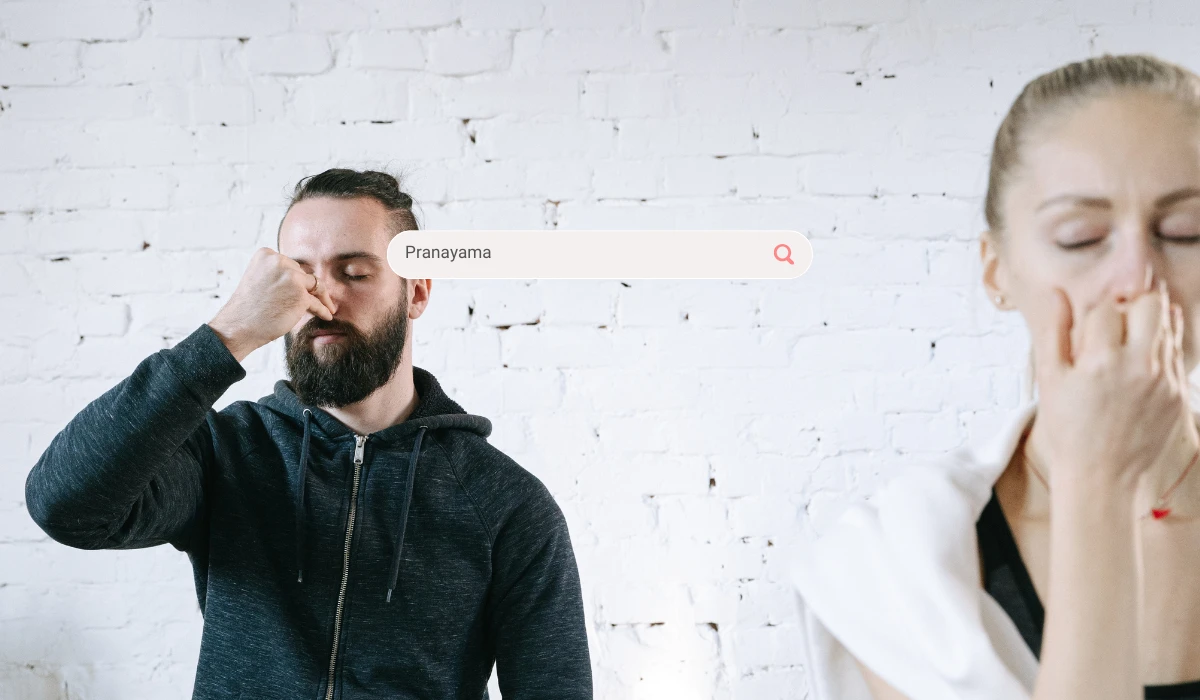
There are many distinct pranayama practices, each with its own purpose and effect. Some of the most widely taught include Nadi Shodhana (alternate nostril breathing), which is known for balancing the nervous system and calming the mind; Ujjayi (ocean breath), commonly used during yoga asana to build internal heat and focus; Kapalabhati (skull-shining breath), a rhythmic pumping breath used to energise and cleanse; and Bhramari (humming bee breath), a deeply soothing technique that is particularly effective for releasing tension and quieting mental chatter.
Each technique has a different entry point and application, and a knowledgeable teacher will guide students toward what is appropriate for their individual needs and experience level.
Pranayama is accessible to people of all ages and fitness levels. Because the practice is breath-based rather than movement-based, it can be adapted for people who are new to yoga, those recovering from injury or illness, or individuals who are simply looking for a gentle but powerful way to manage stress and cultivate inner stillness.
It is also widely used by experienced practitioners as a deepening tool — a way to move beyond the physical postures of yoga and into more subtle layers of awareness and energy.
For most people, gentle pranayama practices are very safe and well-tolerated. However, some techniques — particularly vigorous breathing practices — may not be suitable for people with respiratory conditions, cardiovascular concerns, anxiety disorders, or those who are pregnant. It is always advisable to learn pranayama from a trained and experienced teacher who can offer personalised guidance and ensure that practice is appropriate for your individual circumstances.
As with all contemplative practices, pranayama is best approached with patience, curiosity, and respect for the body's signals.
Pranayama is taught across a wide range of settings — yoga studios, wellness centres, meditation spaces, and private sessions. The approach can vary considerably depending on the teacher's training and lineage. Some teachers emphasise the classical Hatha or Kundalini yoga traditions, while others integrate breathwork into more contemporary wellness frameworks.
Because the experience of pranayama is so personal, finding a teacher whose style and philosophy resonates with you can make a real difference to your practice.
This is where Soul Sister can help. On the Soul Sister platform, you can browse pranayama teachers, yoga studios, and breathwork practitioners, read genuine reviews from people who have experienced their classes firsthand, and get a clear sense of what each offering involves before you commit. Rather than relying on guesswork or generic search results, Soul Sister gives you the trusted information you need to find a practice and a teacher that truly fits where you are right now.
Pranayama isn't about forcing the breath into something it isn't — it's about learning to listen to it, work with it, and ultimately use it as one of the most reliable tools you have for coming back to yourself.
©2026 Soul Sister. All Rights Reserved. Web Design & Development by The Web Addicts.
We use cookies