
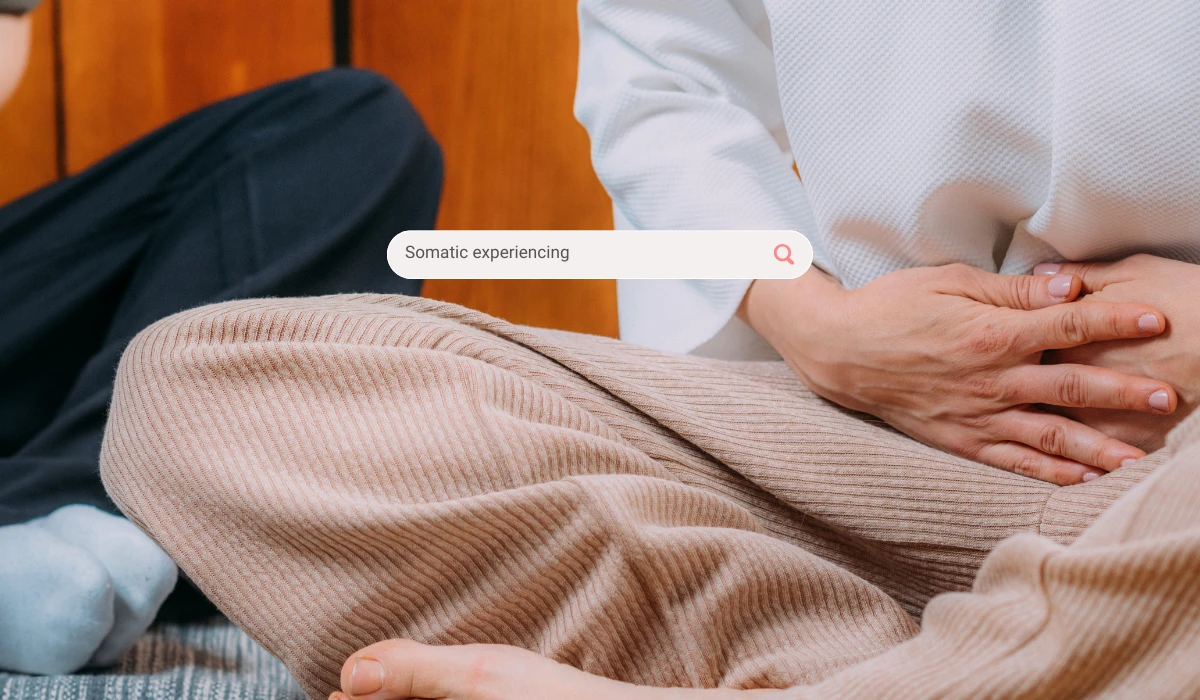
Somatic Experiencing Explained
February 24, 2026
Somatic Experiencing is a body-centred approach to healing trauma and chronic stress that works by tuning into the physical sensations held within the nervous system, rather than focusing primarily on thoughts or memories. Developed by Dr Peter Levine, it is rooted in the understanding that trauma isn't just a psychological event — it's a physiological one. When the body experiences something overwhelming, it can become stuck in a state of survival response: fight, flight, or freeze. Somatic Experiencing gently helps the nervous system complete what it couldn't finish, releasing stored tension and restoring a sense of safety and aliveness.
Unlike traditional talk therapy, Somatic Experiencing doesn't require you to revisit or retell traumatic events in detail. The focus is on what's happening in the body right now — sensations, impulses, breath, posture, and physical responses — and using those as the entry point for healing.
A Somatic Experiencing session is typically slow, gentle, and highly attuned. A trained practitioner will guide you to notice subtle bodily sensations as they arise — perhaps a tightness in the chest, warmth in the hands, or an impulse to move. This process, known as tracking, helps bring awareness to the way the nervous system holds stress and trauma.
Practitioners work with a concept called titration — approaching difficult material in very small doses so the nervous system isn't overwhelmed. They also use pendulation, which involves gently moving attention between areas of discomfort and areas of relative ease in the body. Over time, this builds greater tolerance and flexibility in the nervous system, allowing it to process and release what it has been holding.
Sessions may involve subtle movement, breathing shifts, grounding exercises, or simply sitting quietly and noticing. There is no single formula — the work is always guided by what the body reveals in the moment.
At the heart of Somatic Experiencing is a deep respect for the autonomic nervous system and its role in survival. Dr Levine observed that animals in the wild rarely develop lasting trauma responses, because they physically discharge excess survival energy through shaking, trembling, and movement after a threatening event. Humans, however, often suppress these natural responses — and that suppression is where trauma takes root.
Somatic Experiencing works with this biology rather than against it. By creating the conditions for the body to complete its interrupted responses, the nervous system can gradually shift out of chronic activation or shutdown and return to a more regulated, resilient state.
Somatic Experiencing is used to support recovery from a wide range of experiences including single-incident trauma, complex or developmental trauma, post-traumatic stress, anxiety, chronic pain, burnout, and grief. It is also used by people who feel emotionally disconnected, persistently on edge, or simply stuck — even when they can't point to a specific traumatic event.
Because it is body-based, it can be particularly helpful for people who have found traditional talk therapy incomplete or who struggle to access healing through words alone. It is frequently used alongside other therapeutic modalities, including EMDR, mindfulness-based therapies, and somatic movement practices.
Somatic Experiencing is considered a gentle and well-researched approach to trauma resolution. Because it works gradually and avoids forcing the nervous system, it is generally well-tolerated, even by those with significant trauma histories. That said, it is important to work with a properly trained and accredited practitioner, particularly if you are navigating complex trauma, mental health conditions, or are new to body-based work.
As with any therapeutic modality, it works best as part of a broader approach to wellbeing and should complement, not replace, professional mental health care where that is needed.
Finding the Right Somatic Experiencing Practitioner
Because Somatic Experiencing is a specialised practice, the quality and style of sessions can vary considerably depending on a practitioner's training, background, and areas of expertise. Some practitioners bring in additional modalities, some work in person, and others offer sessions online. Finding someone whose approach genuinely fits your needs makes a significant difference to the experience.
This is where having access to honest, real-world information matters.
On Soul Sister, you can explore Somatic Experiencing practitioners and mind-body wellness spaces, read authentic reviews from people who have experienced their work firsthand, and find clear details about how sessions are run, what to expect, and where to find them. Rather than navigating an overwhelming sea of options alone, Soul Sister helps you make informed, confident choices so you can find a practitioner who truly resonates with where you are on your healing journey.
Somatic Experiencing isn't about pushing through or talking yourself into feeling better — it's about coming home to the body, honouring what it carries, and gently giving the nervous system the space it needs to heal.
©2026 Soul Sister. All Rights Reserved. Web Design & Development by The Web Addicts.
We use cookies